Tall Bookcases vs Low Bookcases: Which Suits Your Room?
EXCERPT: Tall bookcases win on capacity and small footprints; low units protect light, ceiling lines
A bookcase is never just a piece of furniture. It is a storage system, a display surface, a visual anchor, and sometimes a room divider. It can make a small room feel taller or a generous room feel cozy. It can also swallow light, crowd a window, or turn a calm wall into a wall of visual noise. That is why the choice between tall bookcases and low bookcases matters far more than most people expect. The decision is not about which style is better in general. It is about which height works with your ceiling, your light, your floor plan, and the way you actually live.
Tall bookcases are the natural choice when storage capacity is the priority. Low bookcases are the natural choice when you want to preserve openness, protect sightlines, and keep a room feeling breezy. But the best rooms often use both. The trick is knowing what each height does well, where it fails, and how to combine them without making the space feel disjointed.
Why Bookcase Height Changes a Room
Height affects three things at once: capacity, light, and proportion. A tall bookcase uses vertical space that would otherwise be empty. It can hold hundreds of books, baskets, boxes, and decorative objects without consuming extra floor area. A low bookcase spreads storage horizontally. It may hold less, but it keeps the upper half of the room clear, allowing natural light to travel farther and making the ceiling line visible.
Proportion matters because the eye reads height in relation to the walls around it. In a room with high ceilings, a tall bookcase can feel intentional and substantial. In a room with low ceilings, the same bookcase can feel like a wall closing in. A low bookcase in a high-ceilinged room can feel polite but undersized, like a sofa floating in a warehouse. A low bookcase in a small room, however, can be exactly right: useful, unobtrusive, and easy to rearrange.
Tall Bookcases: The Case for Going Up
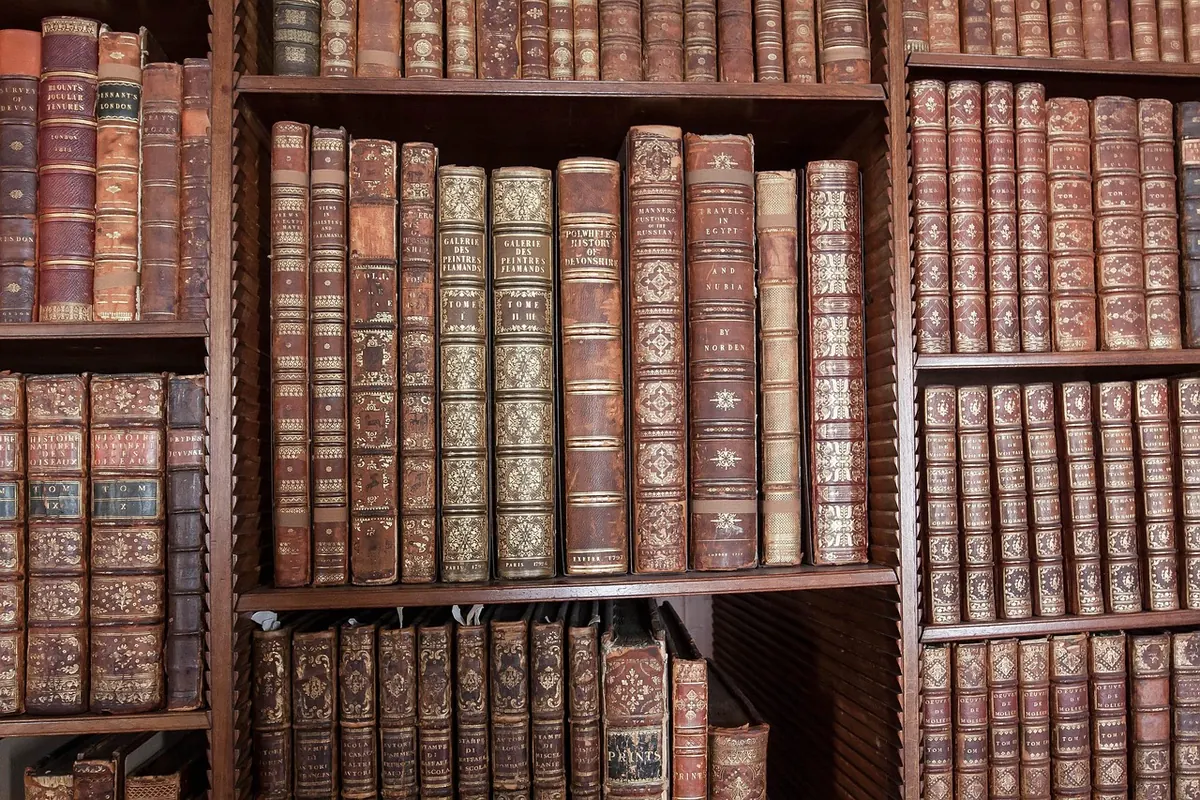
Tall bookcases are the workhorses of home storage. They are especially valuable in apartments, offices, and narrow rooms where every square foot counts. By building upward, they turn a blank wall into a library, a pantry, a display wall, or a home for office supplies. A tall unit can also hide visual clutter behind cabinet doors or organize open shelves with baskets and bins.
- Capacity without footprint: A tall bookcase can store two or three times as many books as a low unit with the same width. That makes it ideal for readers, collectors, and anyone who needs to store files, games, craft supplies, or kitchen overflow.
- Small-room advantage: In a studio apartment, a tall bookcase can replace several smaller storage pieces. It frees floor space for a bed, desk, or dining table while keeping the room's footprint open.
- Architectural impact: A tall bookcase can make a plain wall feel deliberate. Built-in or freestanding, it adds vertical lines that can make a room feel taller, especially when the bookcase is painted the same color as the wall.
- Room divider: A tall open-backed or double-sided bookcase can separate a living area from a workspace without building a solid wall. It defines zones while still letting some light and air through.
- Library atmosphere: For many people, a tall bookcase is the difference between a room with a few books and a room that feels like a library. That emotional pull is real, and it can make a space feel intellectual, cozy, and grounded.
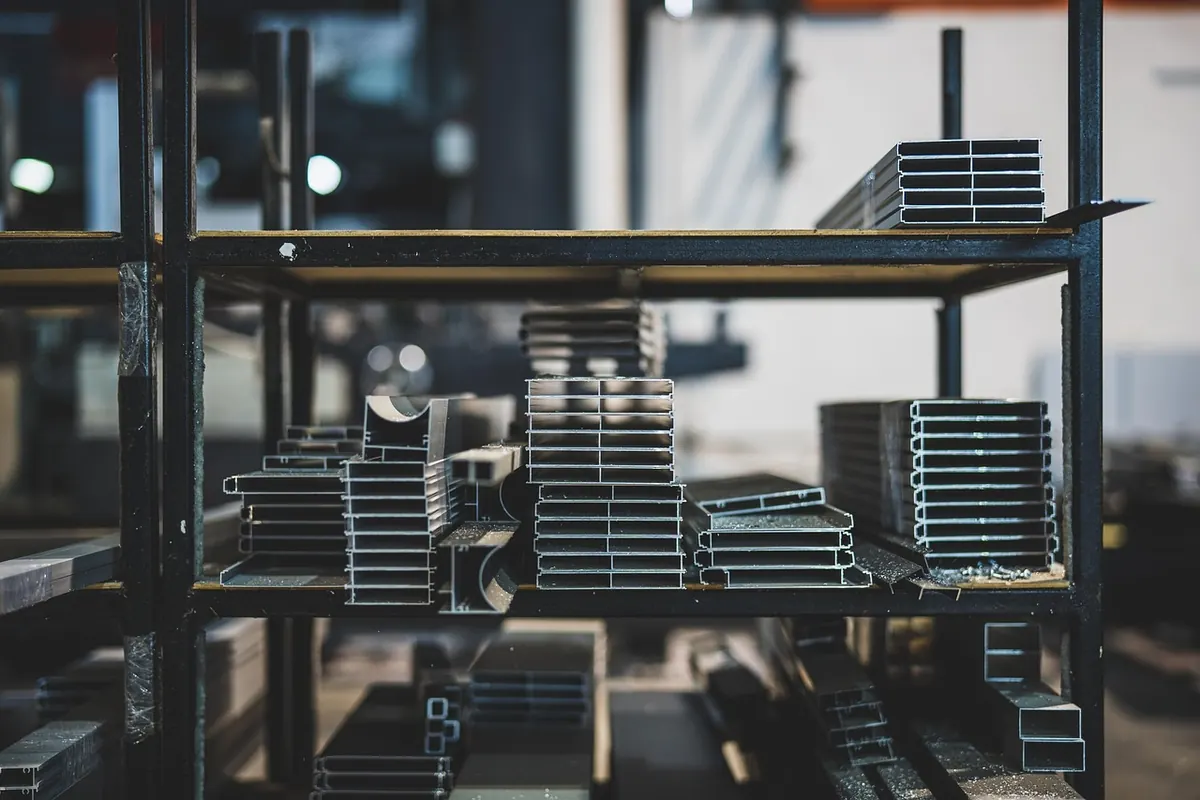
Tall bookcases also work well for renters who cannot install built-ins. A well-chosen tall unit can look almost architectural, especially when it reaches close to the ceiling and is styled with intention. Add a rolling ladder if the ceiling is high and the mood is traditional, or choose slim metal shelves for an industrial or modern look.
Where Tall Bookcases Fall Short
The same height that gives capacity can also create problems. A tall bookcase can block light from a window, especially if it is placed on a wall perpendicular to the window. It can make a low ceiling feel lower. It can dominate a small room if its depth and color are too heavy. And it can be a safety risk if it is not anchored, particularly in homes with children, pets, or earthquakes.
- Visual weight: Dark, deep, fully loaded tall bookcases can feel oppressive. In a small room, they may shrink the space rather than expand storage.
- Light blocking: A tall unit beside a window can cast shadows and interrupt the flow of daylight. This matters most in north-facing rooms or narrow spaces.
- Reach and maintenance: Top shelves may require a step stool. Dusting and styling high shelves is more work, and items can become invisible if they are too far above eye level.
- Safety: Tall bookcases must be anchored to the wall. This is not optional. A tipped bookcase can cause serious injury, and children may climb shelves.
A tall bookcase earns its place when it solves a storage problem without stealing the room's light or its sense of proportion.
Low Bookcases: The Case for Staying Grounded
Low bookcases are often underestimated. They do not offer the drama of a floor-to-ceiling library, but they are excellent at preserving openness. Because they stay below the window line and below eye level, they allow light to move across the room. They also keep the ceiling line visible, which makes a space feel larger and calmer.
- Protects light and views: A low bookcase under a window or along a wall lets daylight travel over it. This is a major advantage in small rooms, basements, and apartments with limited windows.
- Preserves ceiling lines: By leaving the upper wall empty, a low bookcase makes low ceilings feel less compressed. It also gives the eye a place to rest.
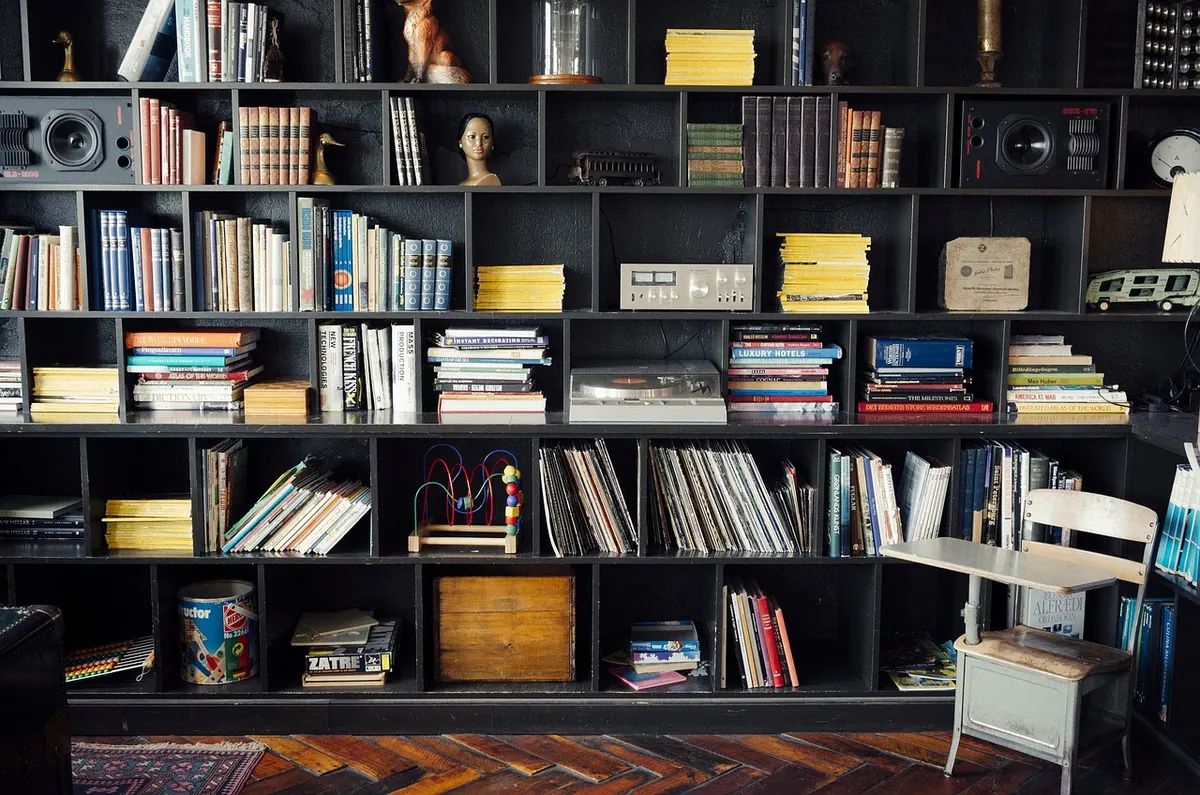
- Flexible surfaces: The top of a low bookcase acts as a console, display ledge, or landing spot for lamps, plants, framed art, and speakers. It can serve as a media console, a bedside table, or a dining room sideboard.
- Friendly scale: Low bookcases feel approachable. They are easy to reach, easy to style, and less likely to overwhelm a room. They work well in open-plan spaces because they do not block sightlines between zones.
- Better for art walls: If you want to hang a large painting, mirror, or gallery wall above a bookcase, a low unit gives you the wall space to do it. A tall bookcase would compete with the art.
Low bookcases are also ideal for renters who move often. They are lighter, easier to transport, and less likely to require wall anchoring, though anchoring is still smart for stability. They can be placed under sloped ceilings, in dormers, beneath staircases, and in
Photo: Pexels / Pixabay